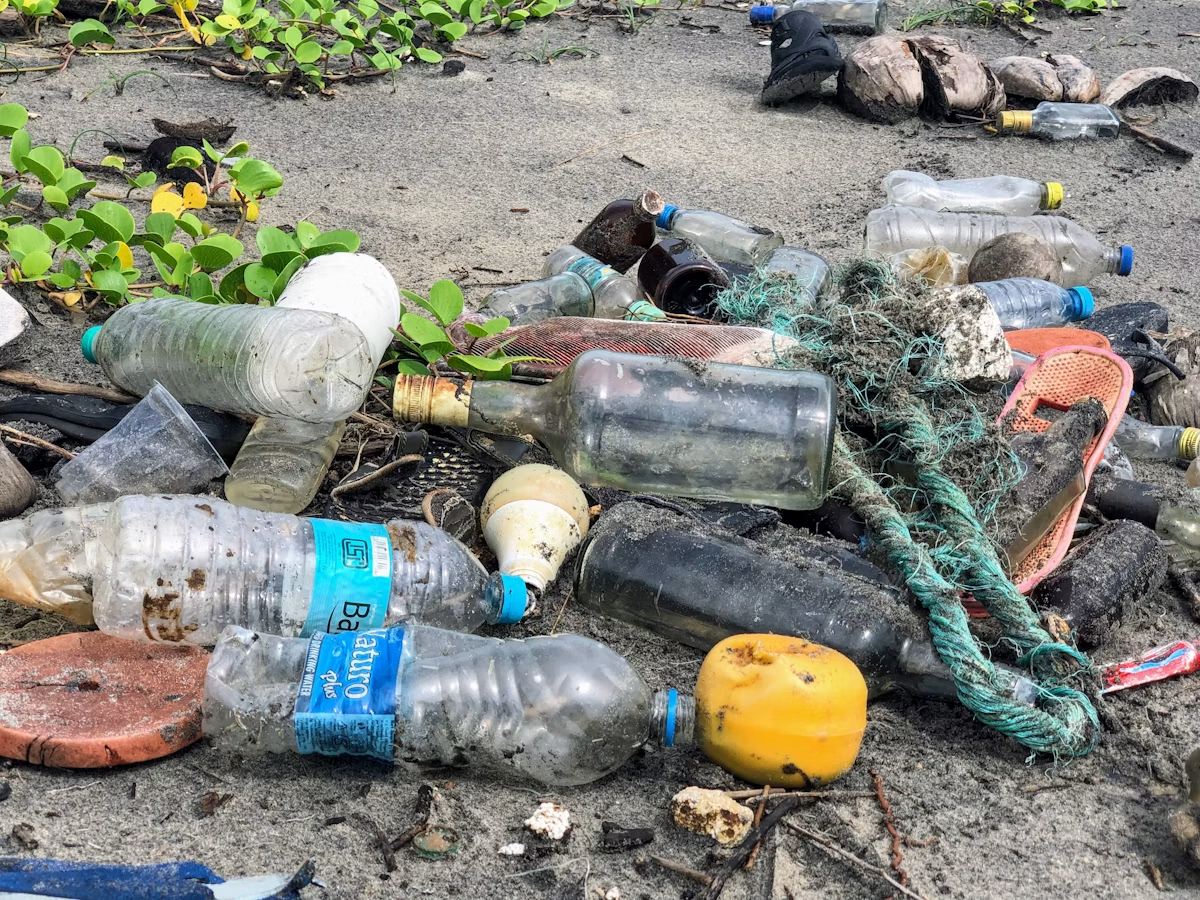
Plastic recycling is one of the highest-volume sectors in the circular economy. However, because plastics comprise dozens of distinct polymer types with different melting temperatures and densities, accurate grading and clean segregation are the sole factors that determine profitability.
Major Plastic Scrap Categories & Industrial Applications
1. PET (Polyethylene Terephthalate - Code 1)
Sourced primarily from clear beverage bottles, thermoform trays, and strapping bands. Recycled PET (rPET) is in massive global demand for manufacturing polyester staple fiber (textiles), new bottle-to-bottle food packaging, and industrial geo-textiles. Tip: Clear natural transparent PET fetches the highest rate, followed by light blue and green.
2. HDPE (High-Density Polyethylene - Code 2)
Obtained from chemical carboys, milk cans, shampoo bottles, industrial crates, and water pipes. HDPE is tough, chemical-resistant, and can be remelted easily into injection molding and extrusion granules.
3. LDPE & LLDPE (Low-Density Polyethylene - Code 4)
Includes packaging stretch films, bubble wrap, agricultural mulch films, and clear liner bags. Baled, clean, transparent factory cuttings command premium prices from blow film manufacturers.
4. Polypropylene (PP - Code 5)
Found in automotive battery casings, plastic furniture, caps, woven sacks (HDPE/PP bags), and consumer containers. PP offers high tensile strength and heat resistance.
5. Engineering Plastics (ABS, Nylon/PA, PC, HIPS)
Recovered from electronic appliance casings, automotive bumpers, switchgears, and polycarbonate sheets. Although lower in volume than commodity polymers, engineering plastic regrinds command significantly higher per-kilogram valuations.
The Golden Rule of Polymer Separation
Never mix different polymer codes (e.g. PP with HDPE or PET with PVC). Even 1% PVC contamination inside a PET melt will release hydrochloric gas, blackening the melt and destroying an entire production batch.
Key Factors that Increase Your Plastic Scrap Value
- Color Sorting: Sort plastics by Natural/Clear, Milky White, Red, Blue, and Black. Natural clean scrap allows recyclers to dye it any color, making it worth up to 30% more.
- Zero Moisture & Dirt: Wash and spin-dry regrinds. Baled films must be stored under covered sheds to prevent mud and rain contamination.
- Label & Adhesive Removal: Paper labels and hot-melt glue degrade recycled resin quality. De-labeling bottles prior to crushing dramatically increases lot purity.